
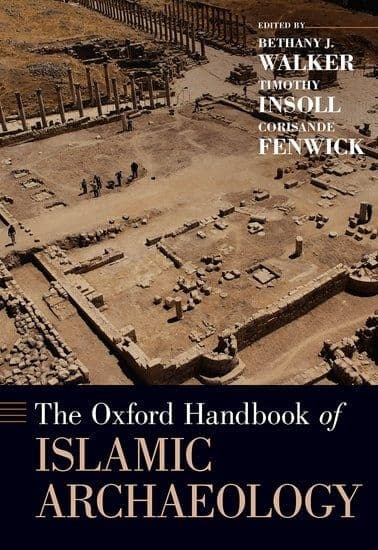
مطالعۀ باستانشناختی جوامع اسلامی، که از حوزۀ تاریخ هنر و معماری اسلامی زاده شده، رشتهای نسبتاً جوان است. خاستگاه [این رشته] در دورههای متأخر استعماریِ سدههای نوزدهم و بیستم است و گسترش سریع آن از دهۀ ۱۹۸۰ لزوم نوعی ارزیابی دوباره از جایگاه امروزیِ آن را توجیه میکند. در این دستنامه، برای نخستین بار پیمایشی از باستانشناسی اسلامی در مقیاسی جهانی عرضه شده و در آن، شرح گسترش رشته آمده و نقدهای بیطرفانه از وضع امروز این حوزه در سرزمینهای اسلامی مرکزی، غرب اسلامی، افریقای زیرصحرایی، و آسیا فراهم شده است. مشارکت بینالمللی در این مجموعه متضمن زمینههایی همچون زمان و فرایند اسلامی شدن، معضلات دورهبندی و منطقهگرایی در فرهنگ مادی، شهرها و حومۀ شهرها، آمیختگی فرهنگی، تنوع فرهنگی و دینی، مدیریت منابع طبیعی، تجارت بینالمللی در دورههای تاریخی متأخر، و مهاجرت است. ارزیابی انتقادی روشهایی کنونیِ درگیریِ باستانشناسان با میراث فرهنگی اسلامی و جوامع محلی پایانبخش این مجموعه است و در آن بر مسائل اخلاقیِ مرتبط با مطالعۀ فرهنگها و ادیان زنده تأکید شده. این کتاب، با تصویرسازیِ غنی به همراه ارجاعات فراوان، اثری مرجع دربارۀ منازعاتی است که پیشبرندۀ کنونی این حوزه است.
The Oxford Handbook of Islamic Archaeology
Edited by Bethany Walker, Timothy Insoll, and Corisande Fenwick
Oxford university press, 2021
– فهرست مطالب کتاب:
Section One – Editors’ Introduction (Walker, Insoll, and Fenwick)
Section Two – Central Islamic Lands
Section Introduction (Bethany J. Walker)
Chapter 1. Northern Syria (Marie-Odile Rousset)
Chapter 2. Southern Syria (Bethany J. Walker)
Chapter 3. Mesopotamia (Alastair Northedge)
Chapter 4. Egypt (Alison Gascoigne)
Chapter 5. Persia (Rocco Rante)
Chapter 6. Medieval Anatolia (Scott Redford)
Chapter 7. Ottoman Anatolia (Filiz Yeni?ehirlio?lu)
Chapter 8. Arabia and the Gulf (Andrew Petersen)
Chapter 9. Ottoman Europe (Ibolya Gerelyes, Vesna Bikic, Svitlana Bilyayeva, Niculina Dinu, and Athanasios Vionis)
Section Three – The Islamic West
Section Introduction (Corisande Fenwick)
Chapter 1. North Africa (Corisande Fenwick)
Chapter 2.Morocco and the Western Maghreb (Abdallah Fili)
Chapter 3. Saharan Africa (Sam Nixon)
Chapter 4. al-Andalus (Sonia Gutiérrez Lloret and Patrice Cressier)
Chapter 5. Sicily and the central Mediterranean (Alessandra Molinari)
Chapter 6. Northern Europe and Scandinavia (Marek Jankowiak)
Section Four – Sub-Saharan Africa
Section Introduction (Timothy Insoll)
Chapter 1. The Eastern African coast (Stephanie Wynne-Jones and Jeffrey Fleisher)
Chapter 2. The Nilotic Sudan (Intisar Soghayroun El Zein)
Chapter 3. Ethiopia and the Horn of Africa (Timothy Insoll)
Chapter 4. West Africa (Timothy Insoll)
Chapter 5. The Central Sudan and Sahel (Carlos Magnavita and Abubakar Sani Sule)
Section Five – Asia
Section Introduction (Timothy Insoll)
Chapter 1. Central Asia (Pierre Siméon)
Chapter 2. South Asia (Mehrdad Shokoohy and Natalie H. Shokoohy)
Chapter 4. China (Jacqueline M. Armijo)
Chapter 5. Southeast Asia (Alexander Wain)
Section Six – Islamic Archaeology Today: Heritage Management and Community Development
Section Introduction: Moving Beyond the “Academy”: Islamic Archaeology and Heritage Management (Bert de Vries)
Chapter 1. Community Engagement in Site Presentation (Øystein S. LaBianca, Maria Elena Ronza, and Noël Harris)
Chapter 2. Heritage in Context (Nasser Rabbat)
Chapter 3. “Islamic” and “Western” Concepts of Heritage Compared (Trinidad Rico)
Chapter 4. War and Recovery (Stephennie Mulder)
Chapter 5. Islamic archaeologies and narratives about the Islamic heritage in three peninsulas (Jose Carvajal, Jelena Zivkovic, Al Kindi Al Jawabra, and Reem Lababidi)
– اطلاعات بیشتر دربارۀ این کتاب: